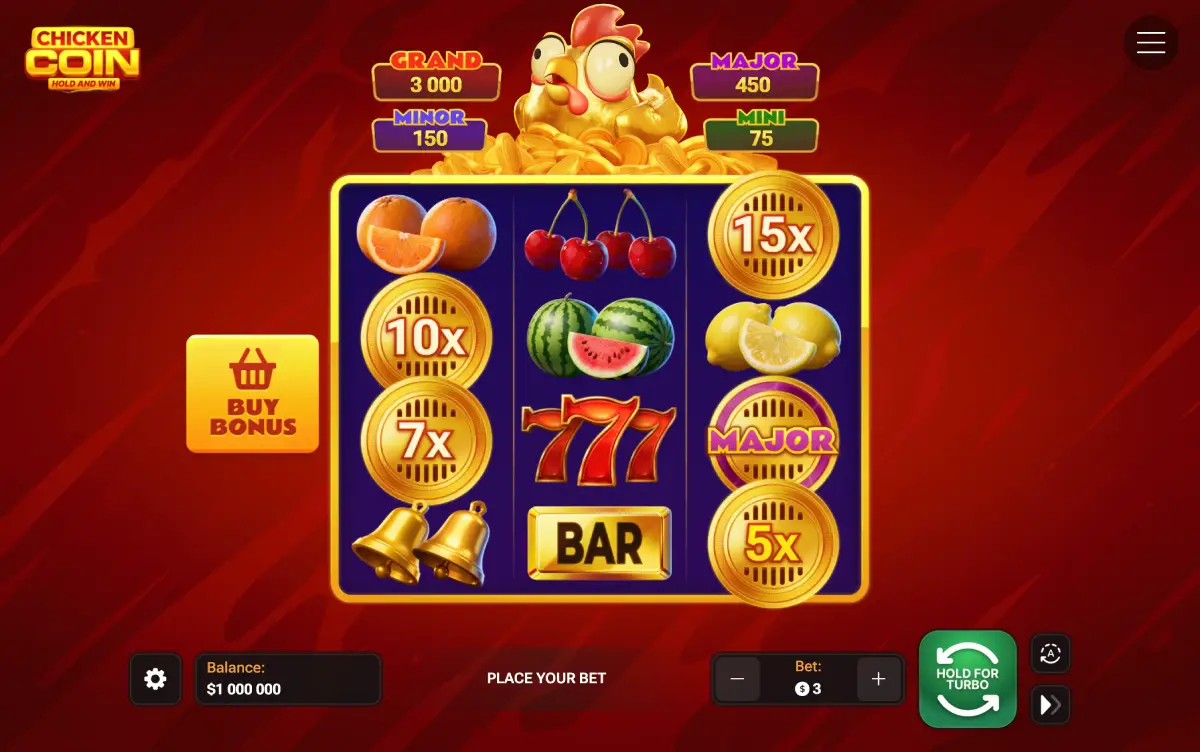
Every crash-style game lives or dies on its RNG. If the random number generator can be tampered with, the house edge is whatever the operator wants. That is the real fairness question.
How Chicken Coin RNG fairness works
Chicken Coin uses a server-side RNG that determines the crash point (the lane where the chicken gets hit) at the start of each round, before you make any cash-out decision. The sequence is independent of your bet size, your session length or your win/loss history. No 'you-are-due-a-loss' logic.
What third-party testing actually means
Regulated game suppliers submit their RNG to independent labs. The labs you should recognise:
- eCOGRA — checks RNG output distribution and payout percentages.
- iTech Labs — certifies RNG and tests game maths.
- GLI (Gaming Laboratories International) — issues compliance certificates accepted by most regulators including the UKGC.
- BMM Testlabs — used by several European jurisdictions.
If you load Chicken Coin at a UKGC, MGA or Spelinspektionen-licensed casino, the supplier has been tested by at least one of these. The certificate is held by the operator and the supplier, not displayed in-game.
Provably fair vs certified RNG
Some crypto casinos run Chicken Coin in 'provably fair' mode. That uses a hashed server seed plus a client seed, so you can mathematically verify after the round that the outcome was not changed mid-spin. It is a stronger transparency model than a black-box RNG, but only available where the operator has integrated it. Most fiat sites stick with audited RNG, which is still defensible but asks you to trust the certificate rather than verify the seed yourself.
Bottom line on chicken coin rng fairness: the maths is fixed, the outcomes are pre-determined per round, and the test path exists. If a specific casino is dodging the question, that is an operator problem, not a game problem.